Home Page

Developing Novel Treatment Options for Tissue Regeneration and Pain Reduction
Tissue Regeneration & Mechanobiology Lab (TRAM)
The Tissue Regeneration & Mechanobiology Lab, led by Prof. Karin Wuertz-Kozak, investigates the cellular and molecular mechanisms underlying inflammation, degeneration, and fibrosis, with the goal of translating these discoveries into innovative therapeutic strategies. Our research focuses primarily on musculoskeletal disorders, particularly intervertebral
disc degeneration and back pain, while extending mechanistic and regenerative approaches to skin and lung diseases. We combine mechanobiology, extracellular vesicles, biomaterials, biologics, genome engineering, and advanced cell and tissue models to understand disease mechanisms and develop strategies for tissue protection, repair, and regeneration.
Lab News
- March 18, 2026
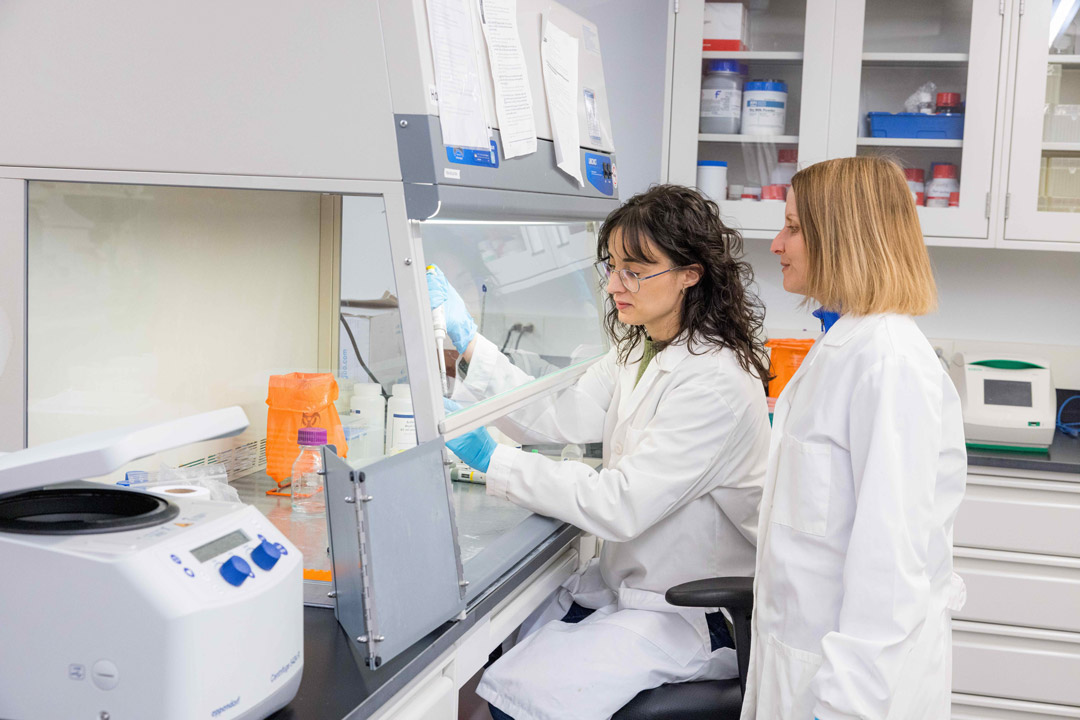
RIT News Feature
- November 18, 2025

New Deputy Editor
Dr. Karin Wuertz-Kozak has been named one of five new deputy editors of the European Spine Journal, starting in January 2026.
- June 2, 2025
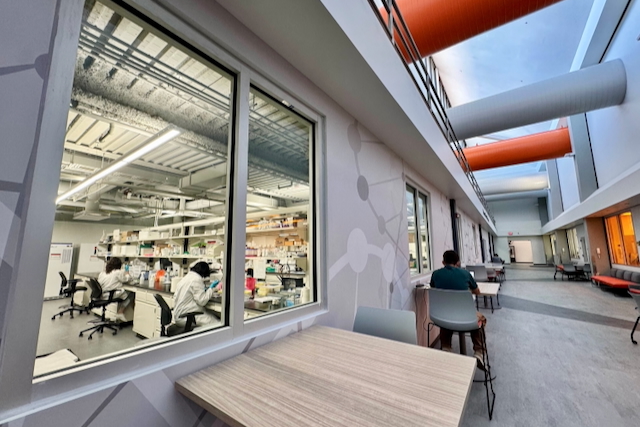
New Lab Space
Together with the teams of Drs. Gaborski, and Abhyankar, we moved into the brand new NanoBio Labs – right across from the cleanroom.
- May 9, 2025
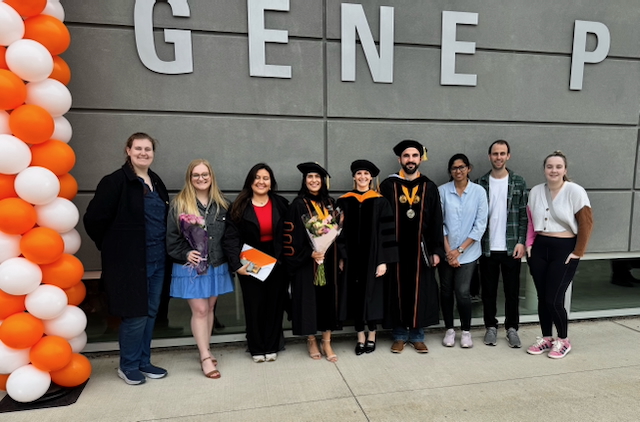
PhD Graduations
Celebrating our team members María Camila Ceballos Santa and Iker Martinez Zalbidea during the 2025 Doctoral Hooding Ceremony.
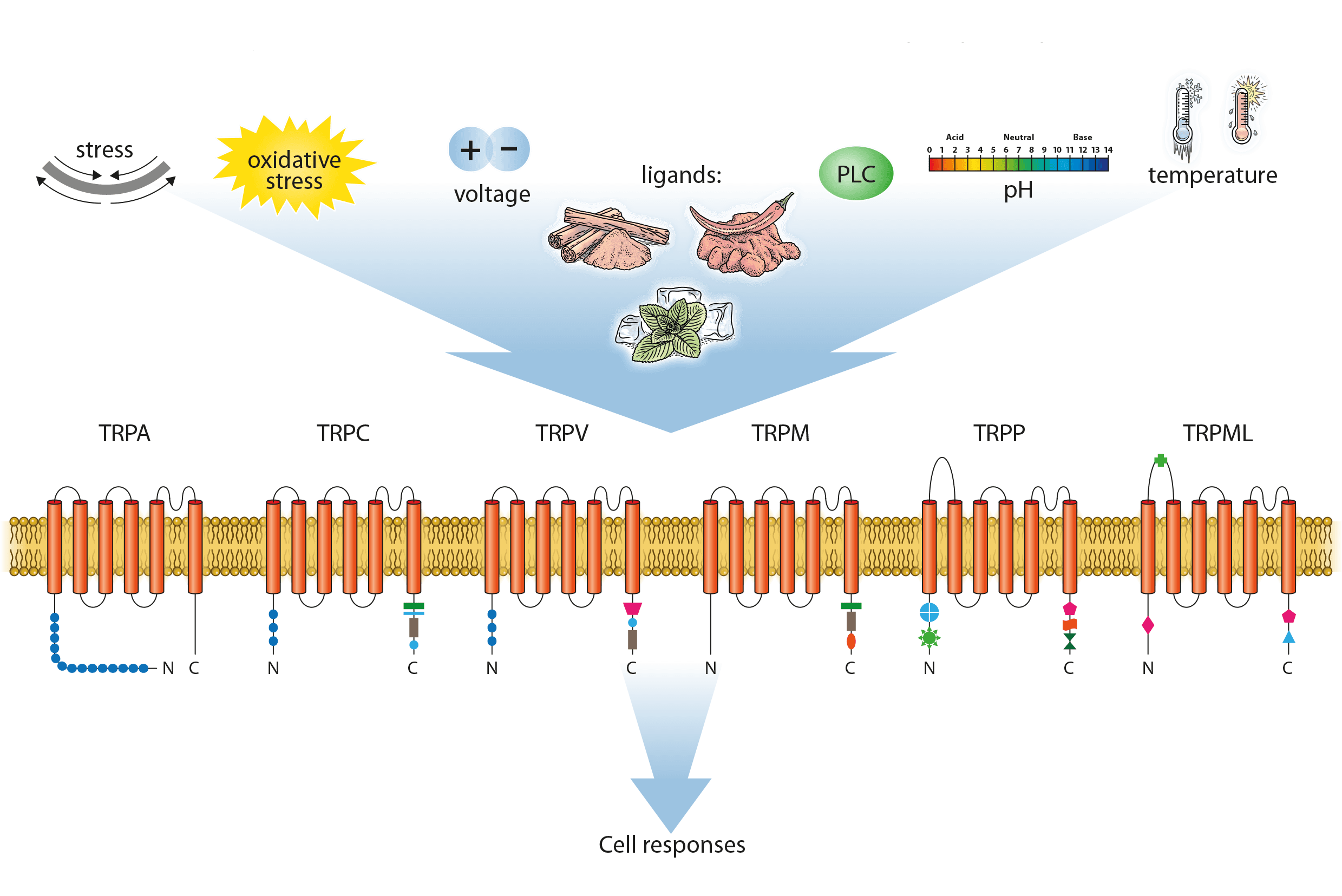
TRP Channels in Discogenic Back Pain
Several transient receptor potential (TRP) channels are linked to discogenic back pain, and thus represent promising therapeutic targets.
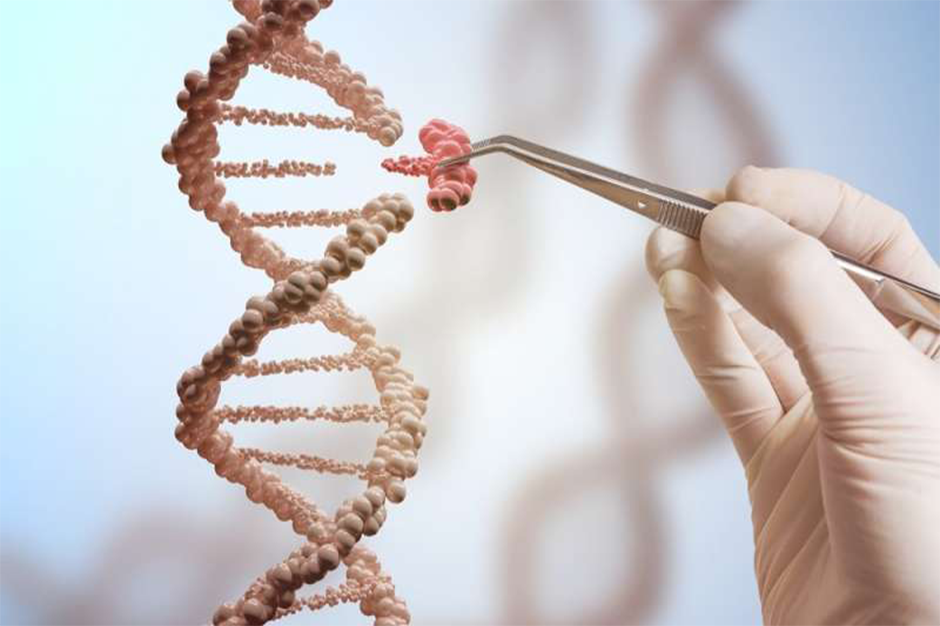
CRISPR/Cas9 for Musculoskeletal Disorders
CRISPR/Cas9 gene editing can lead to therapies that target the underlying mechanisms of age-related musculoskeletal disorders in a personalized manner.
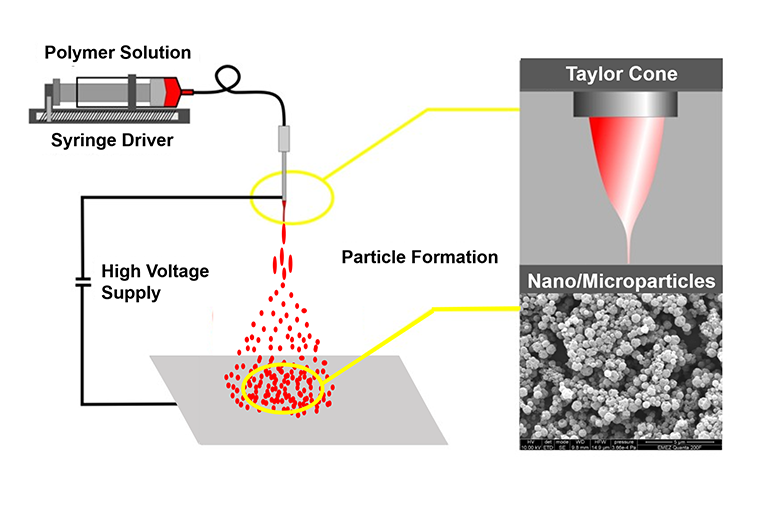
Electrosprayed Biomaterials for Drug Delivery
Electrospraying is a gentle method to encapsulate drugs into micro- or nanoparticles for sustained release.
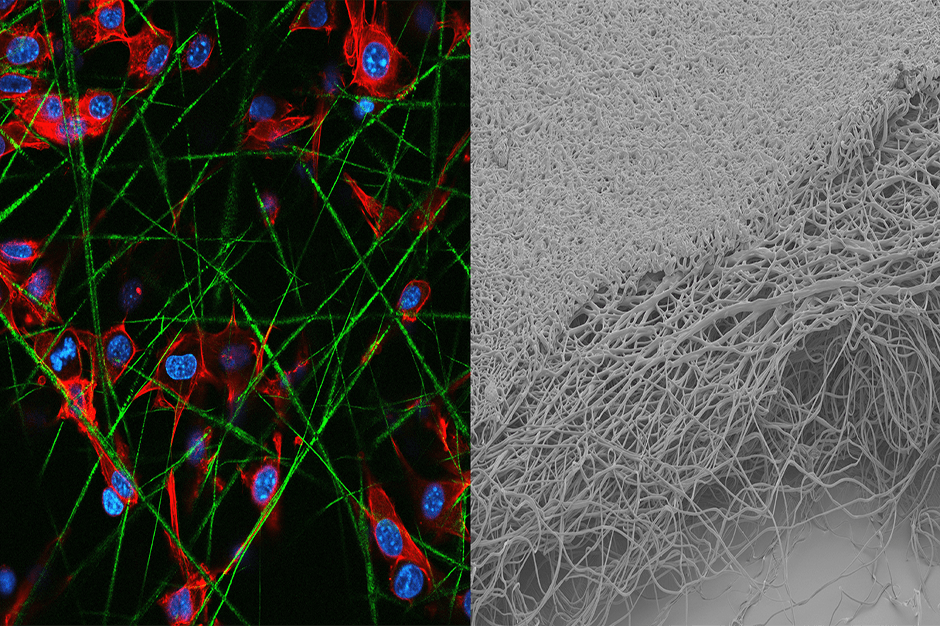
Electrospun 3D Skin Models
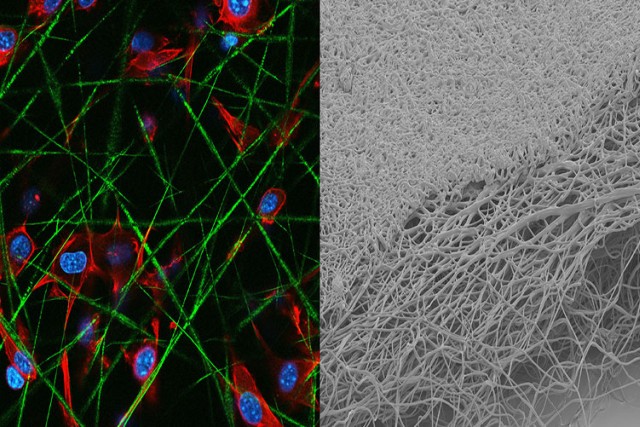
Advanced organotypic 3D skin models, produced e.g. by electrospinning, will reduce the need for animal experimentation and will advance the capabilities for personalized medicine.
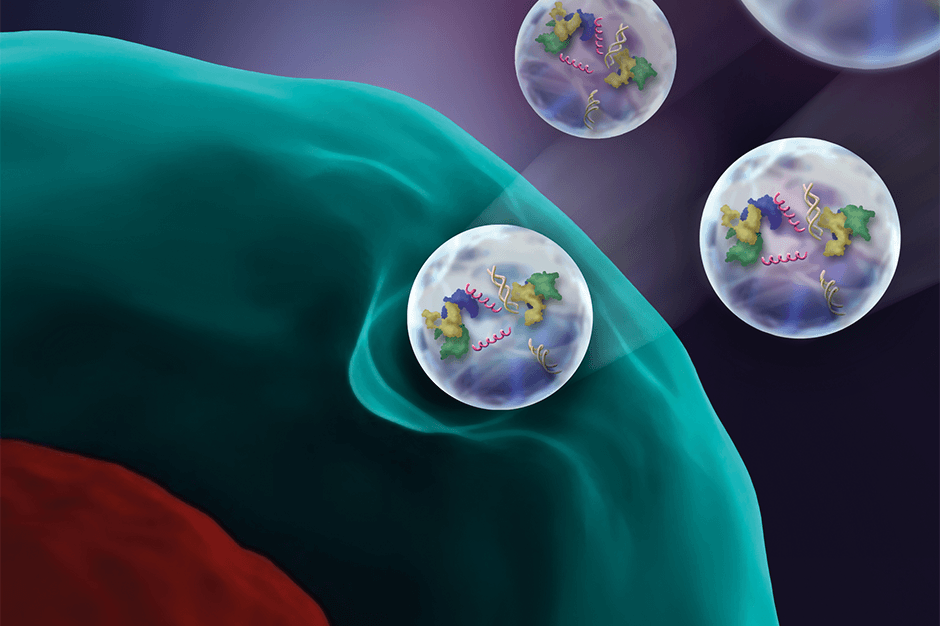
EVs from CRISPR-Modified Stem Cells
CRISPR-Cas9 gene editing of stem cells can be used to promote the production of extracellular vesicles (EVs) with enhanced regenerative and anti-inflammatory properties.
TLR-Associated MicroRNAs
MicroRNAs are small noncoding RNAs that can modulate inflammation and catabolism in health and disease.
Research
-
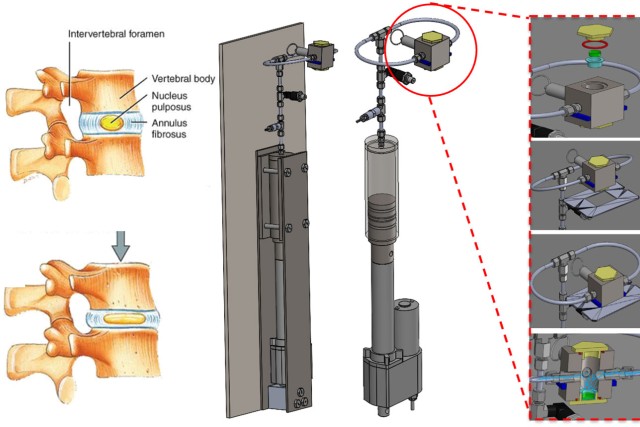
TRP Channel Activity Under Cyclic Compression
Traditional 2D cell culture systems lack key physiological cues, such as the mechanical forces cells experience in the human body. These forces affect development, differentiation, proliferation, and… -
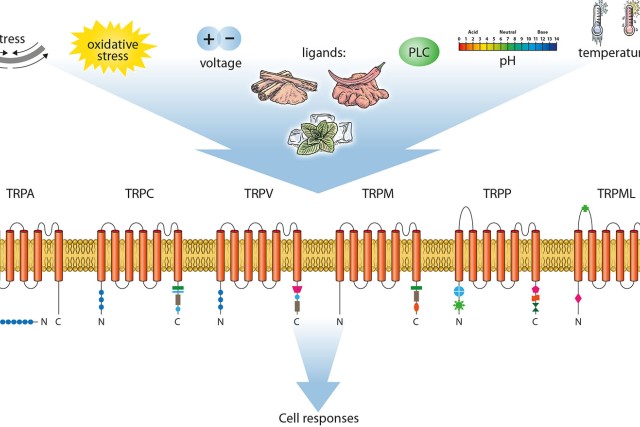
Targeting TRPC6: A Novel Approach for Discogenic Chronic Back Pain
Discogenic chronic back pain (DCBP) is a leading cause of disability, often linked to intervertebral disc (IVD) degeneration, inflammation, and nerve and blood vessel growth. Current treatments,… -
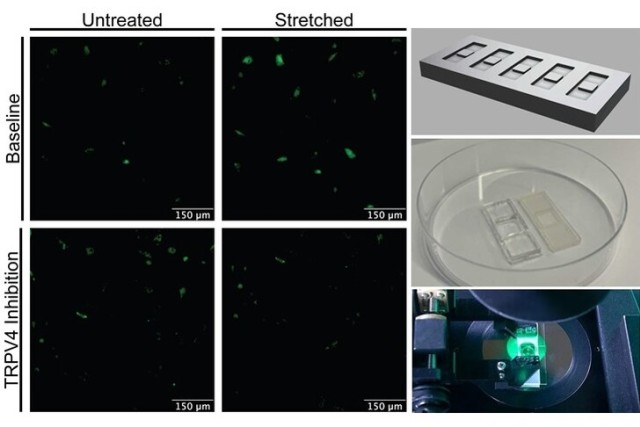
Substrate Stiffness, Topography, and TRPV4 in Disc Mechanotransduction
Over the past decade(s), research has revealed that substrate stiffness and architecture/topography can be recognized by cells, serving as mechanical and topographical cues that ultimately drive cell… -
TRPC6 Inhibition for Scleroderma Treatment
Scleroderma is a rare disease characterized by chronic tissue hardening (fibrosis), particularly affecting the skin due to excessive collagen accumulation. Despite extensive research, effective…